Strategic
Product Design

Your product works. But it's getting harder to use, scale, and explain. That's not a feature problem — it's a structure problem.

Book a call

Monochrome product shot: black-capped cosmetic bottle with dynamic water splash on a clean white background.

Most SaaS products don't fail because of bad features. They fail because nobody had time to look at the whole thing.

You shipped fast. Features piled up. Every sprint added something new and nothing got revisited. Now your product works — but users get lost, your team spends time explaining things that should be obvious, and onboarding feels like a tutorial nobody asked for.

That's design debt. And it compounds.

This is for you if...

Your product has grown, but the UX hasn't kept up with it.

Your team ships fast, but design is always the bottleneck.

Users ask for things that are already there, they just can't find them.

You've patched the same flow three time, and it still feels broken.

This is what structural design
work looks like in practice.
Same product. Four weeks apart.

Four weeks. One clear objective each.
No fluff, no surprises.

Week 01

Find what's actually broken, not just what looks broken.

Starting by understanding your product the way your users do. Every core flow gets mapped, friction points surfaced, and the one structural problem worth solving first gets defined. Tools like Figma Make and Midjourney help visualize concepts and test directions early, so by end of week one the project is already moving with clarity.


UX Audit

Flow Mapping

Problem Definition

Week 01

Find what's actually broken, not just what looks broken.

Starting by understanding your product the way your users do. Every core flow gets mapped, friction points surfaced, and the one structural problem worth solving first gets defined. Tools like Figma Make and Midjourney help visualize concepts and test directions early, so by end of week one the project is already moving with clarity.


UX Audit

Flow Mapping

Problem Definition

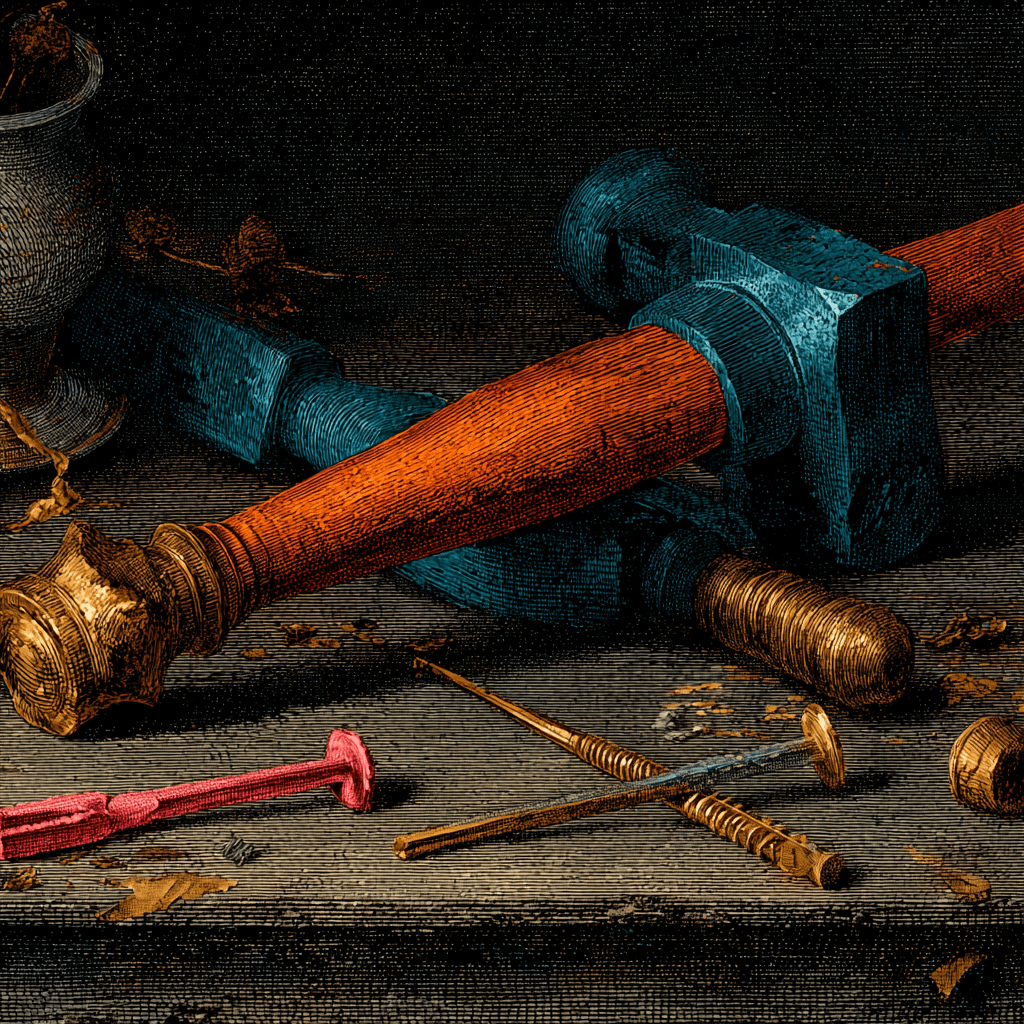
Minimal woodcut illustration of a hammer and nails

Week 02

Rebuild the structure your product has been missing

With the problem defined, the redesign starts from the foundation. Revised information architecture, structural wireframes, and documented decisions your team can act on immediately. Every choice is intentional, nothing moves forward without a clear UX reason behind it.


Information Architecture

Wireframing

Design Decisions

Minimal woodcut illustration of a hammer and nails

Week 02

Rebuild the structure your product has been missing

With the problem defined, the redesign starts from the foundation. Revised information architecture, structural wireframes, and documented decisions your team can act on immediately. Every choice is intentional, nothing moves forward without a clear UX reason behind it.


Information Architecture

Wireframing

Design Decisions

Chrome gradient cube with rounded edges on a white background—minimal 3D object for modern product design.

Week 03

Build the design system your team will actually use

Refined UI, base components, and unified patterns that bring order to everything that came before. Variations get tested until the system feels coherent, something your product can grow from without breaking.

UI Design

Component Library

Pattern Unification

Chrome gradient cube with rounded edges on a white background—minimal 3D object for modern product design.

Week 03

Build the design system your team will actually use

Refined UI, base components, and unified patterns that bring order to everything that came before. Variations get tested until the system feels coherent, something your product can grow from without breaking.

UI Design

Component Library

Pattern Unification

Chrome gradient cube with rounded edges on a white background—minimal 3D object for modern product design.

Week 04

Hand off something your devs can build from on day one.

A navigable prototype, full design documentation, and a clear roadmap for what comes next. Everything structured so your engineering team or build tools like Lovable, Bolt, or Cursor can move straight into development without having to interpret, guess, or fill in what's missing.

Prototype

Documentation

Roadmap

Chrome gradient cube with rounded edges on a white background—minimal 3D object for modern product design.

Week 04

Hand off something your devs can build from on day one.

A navigable prototype, full design documentation, and a clear roadmap for what comes next. Everything structured so your engineering team or build tools like Lovable, Bolt, or Cursor can move straight into development without having to interpret, guess, or fill in what's missing.

Prototype

Documentation

Roadmap

Answers to the questions we hear most often.

How long does a Strategic Product Design engagement take?

Four weeks. One clear objective per week — diagnosis, structure, system, consolidation. We move fast without skipping the thinking.

Do you work with early-stage startups or only established products?

Mostly with products that already exist and have real users. If your product is live, growing, and starting to feel harder to use than it used to — that's our sweet spot. For new products, our MVP Design service is a better fit.

What do we actually get at the end?

A navigable prototype, revised flows, a base component system, and strategic documentation your team can act on. Not a deck full of recommendations — actual design your devs can build from.

Do we need to have a design team in place?

No. We work directly with founders, PMs, or engineering leads. If you have a designer on your team, even better — we can work alongside them.

How involved do we need to be during the process?

One structured session per week plus async feedback. We don't need daily standups or endless approval rounds. We need access to your product, your users if possible, and one person with decision-making power.

What if we need ongoing design support after the four weeks?

We can discuss a continuation engagement after the initial sprint. Most clients use the first four weeks to fix the foundation, then come back for the next phase.

Do you sign NDAs?

Yes, always.

Close-up portrait of a person

Let's discuss how we can make your product better!

Book a call

Follow us on

or get in touch on

©2026 Picked Design

6:48 PM

Picked

picked - saas design