MVP
Design

You have the idea and the tech. We turn it into a product that people actually know how to use.

Book a call

Monochrome product shot: black-capped cosmetic bottle with dynamic water splash on a clean white background.

You know what you want to build and who it's for. We make sure users know how to use it and keep coming back.

Speed without structure is just expensive guessing. Founders ship features nobody asked for, skip the flows that matter, and end up with a product that works technically but loses users in the first session.

That's not a product problem. It's a design problem.

This is for you if...

You have a validated idea but no design yet.

You've started building but the UX feels like an afterthought.

You need something real to show investors or early users — fast.

You want to use AI tools to build but need the design foundation first.
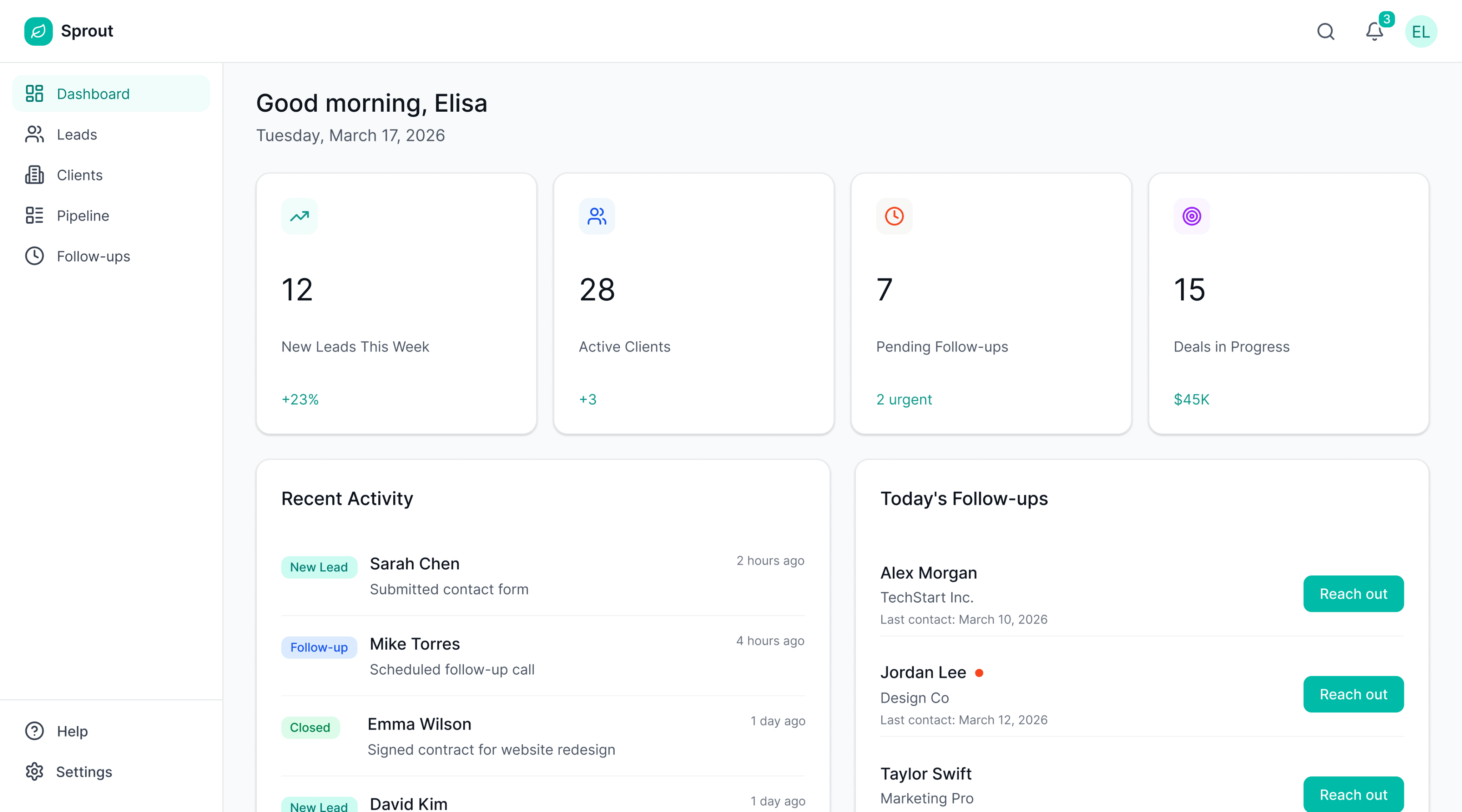
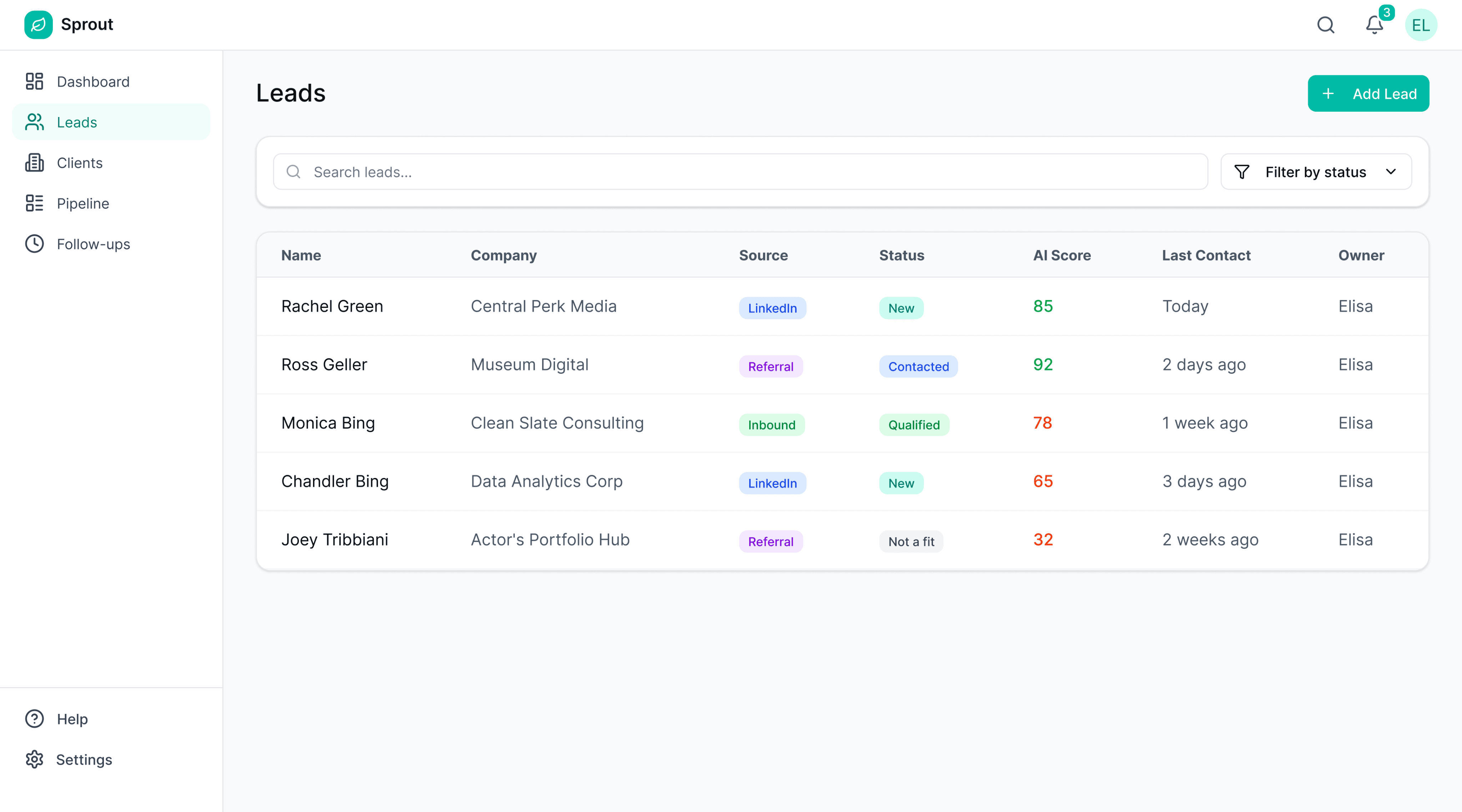
This is what structural design
work looks like in practice.

This is what intentional
MVP design looks like in practice.

Four weeks.
One clear objective each.
No fluff, no surprises.

Week 01

Define what actually needs to exist before writing a single line of code.

Before any design starts, the scope gets interrogated. What's the core problem, who has it, and what's the minimum that proves the concept works. Tools like Figma Make help map and visualize early directions fast, so decisions get made on evidence rather than assumptions.

Discovery

Feature Scoping

Problem Definition

Week 01

Define what actually needs to exist before writing a single line of code.

Before any design starts, the scope gets interrogated. What's the core problem, who has it, and what's the minimum that proves the concept works. Tools like Figma Make help map and visualize early directions fast, so decisions get made on evidence rather than assumptions.

Discovery

Feature Scoping

Problem Definition

Minimal woodcut illustration of a hammer and nails

Week 02

Turn the concept into flows your users can navigate without thinking

With scope locked, the structure takes shape. Information architecture, core user flows, and wireframes that make the logic visible before any visual work begins. Every screen earns its place by solving something specific.

Information Architecture

Wireframing

Flow Validation

Minimal woodcut illustration of a hammer and nails

Week 02

Turn the concept into flows your users can navigate without thinking

With scope locked, the structure takes shape. Information architecture, core user flows, and wireframes that make the logic visible before any visual work begins. Every screen earns its place by solving something specific.

Information Architecture

Wireframing

Flow Validation

Chrome gradient cube with rounded edges on a white background—minimal 3D object for modern product design.

Week 03

Give the product a visual language it can grow with

Refined UI, a base component system, and the visual decisions that make the product feel coherent from day one. Built to scale so future sprints don't start from scratch.

UI Design

Component Library

Prototype

Chrome gradient cube with rounded edges on a white background—minimal 3D object for modern product design.

Week 03

Give the product a visual language it can grow with

Refined UI, a base component system, and the visual decisions that make the product feel coherent from day one. Built to scale so future sprints don't start from scratch.

UI Design

Component Library

Prototype

Chrome gradient cube with rounded edges on a white background—minimal 3D object for modern product design.

Week 04

Ship something real, not something that still needs interpretation.

A dev-ready prototype, full design documentation, and assets structured so your engineering team or build tools like Lovable, Bolt, or Cursor can move straight into development without having to interpret, guess, or fill in what's missing.

Dev Handoff

Design System

Documentation

Chrome gradient cube with rounded edges on a white background—minimal 3D object for modern product design.

Week 04

Ship something real, not something that still needs interpretation.

A dev-ready prototype, full design documentation, and assets structured so your engineering team or build tools like Lovable, Bolt, or Cursor can move straight into development without having to interpret, guess, or fill in what's missing.

Dev Handoff

Design System

Documentation

Answers to the questions we hear most often.

What exactly is included in an MVP Design engagement?

Strategy, UX, and UI — in that order. We define what to build, design the core flows, and deliver a prototype and design system ready for development. No feature bloat, no nice-to-haves.

How long does it take?

Typically four to six weeks depending on scope. We move fast because we focus on what matters for launch, not on designing every edge case.

Do you do development too?

No. We design and hand off to your dev team with full documentation. If you don't have developers yet, we can point you in the right direction.

We already have some ideas and wireframes. Can you work from those?

Yes. We'll review what you have, keep what works, and rebuild what doesn't. You don't need to start from scratch to work with us.

How do we know what features to include in the MVP?

That's part of the work. The first phase is scoping — we help you cut what isn't essential for launch and prioritize what actually validates your product with real users.

Will we get a design system at the end?

Yes. A base component library and visual system your dev team can build on and your product can grow from.

What if we need changes after delivery?

The engagement includes revision rounds throughout the process, not just at the end. By the time we deliver, there shouldn't be surprises.

Close-up portrait of a person

Let's discuss how we can make your product better!

Book a call

Follow us on

or get in touch on

©2026 Picked Design

6:48 PM

Picked

picked - saas design